


Hello friends,
Have you ever walked into a room and felt that something was missing, but you couldn’t quite put your finger on it? The furniture may be beautiful, the colours may
work well together, and yet the space still feels a little flat. More often than not, the answer lies in texture. This is where wall cladding can make a remarkable difference.
Over the past few years, I’ve noticed more and more South African homeowners exploring wall cladding as a way to add character and interest to their homes. While wallpaper remains a favourite of mine, cladding offers something different. It introduces depth, warmth and texture in a way that can completely transform a room.


The secret, however, is knowing when to use it.
I always tell my clients that cladding should have a purpose.
If a room already has plenty of architectural detail, adding cladding everywhere can be overwhelming. But if you have a large blank wall, a long passage, an uninspiring entrance hall, or a living room that feels a little cold, cladding can be exactly what the space needs.
It helps create a focal point and gives a room a more finished and considered feel.

One of the reasons cladding has become so popular is the variety available today.
- Timber and timber-look panels remain favourites because they instantly bring warmth into a home.
- Stone cladding adds natural texture and a timeless quality that never really goes out of style.
- Fluted panels are another popular option, offering a clean, sophisticated look with beautiful shadow lines.
- For homeowners who love a touch of luxury, marble-look panels can create a high-end appearance without the cost and maintenance of real marble.
The style of your home should always guide your choice.
For farmhouse-inspired interiors, I usually lean towards timber cladding or painted shiplap panelling. Not the rough barn-style look that was popular years ago, but rather the softer, more refined farmhouse style that feels cosy and welcoming without becoming overly rustic. Light oak tones, warm whites and natural textures work beautifully together.
In elegant and more luxurious homes, I often recommend using cladding more sparingly.
A feature wall behind a bed, a fireplace surround or a statement entrance wall can create tremendous impact. Fluted panels, stone cladding and marble-inspired finishes all work beautifully in these spaces because they add texture while maintaining a timeless sophistication.


For lodge-style homes or properties surrounded by nature, stone and timber cladding are difficult to beat. They help blur the line between indoors and outdoors and create that warm, grounded atmosphere that makes you want to put your feet up and stay awhile.
Something I particularly enjoy is combining wall panelling and wall cladding in the same space. The results can be stunning.
Panelling brings structure and elegance, while cladding introduces texture and depth. Together they create layers of interest that make a room feel thoughtfully designed. A dining room, entrance hall or bedroom can benefit enormously from this combination when it is kept balanced and not overdone.

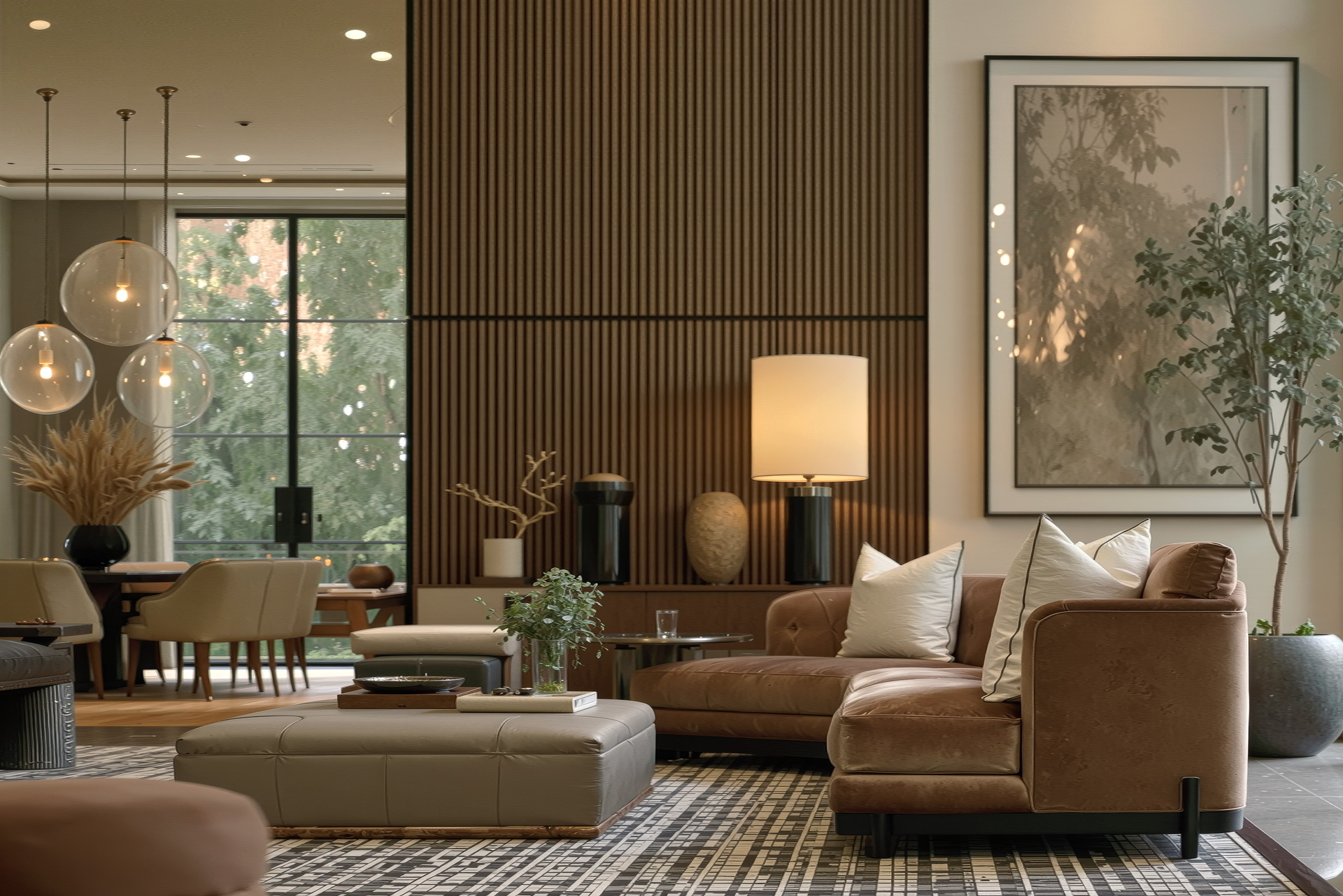
That brings me to my final piece of advice: restraint is your friend. Not every wall needs treatment. In fact, one beautifully executed feature wall often creates far more impact than cladding throughout an entire room. Sometimes less really is more.
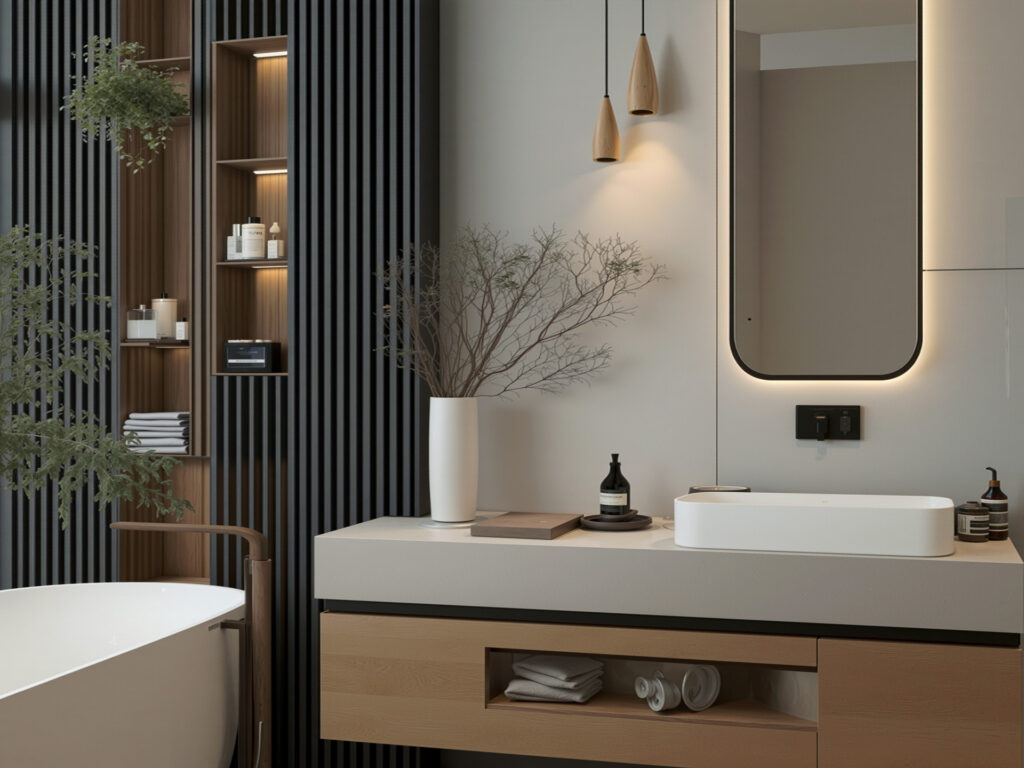

Conclusion
Like all good design choices, wall cladding should enhance the story of your home rather than dominate it. When chosen carefully and used in the right places, it adds warmth, character and a sense of permanence that never goes out of fashion.
As with all design decisions, the most successful cladding is not necessarily the latest trend, but the option that complements your home’s architecture, enhances its character, and tells your unique story.
* Photography: SignHome, on YouTube.


Leave a Reply